
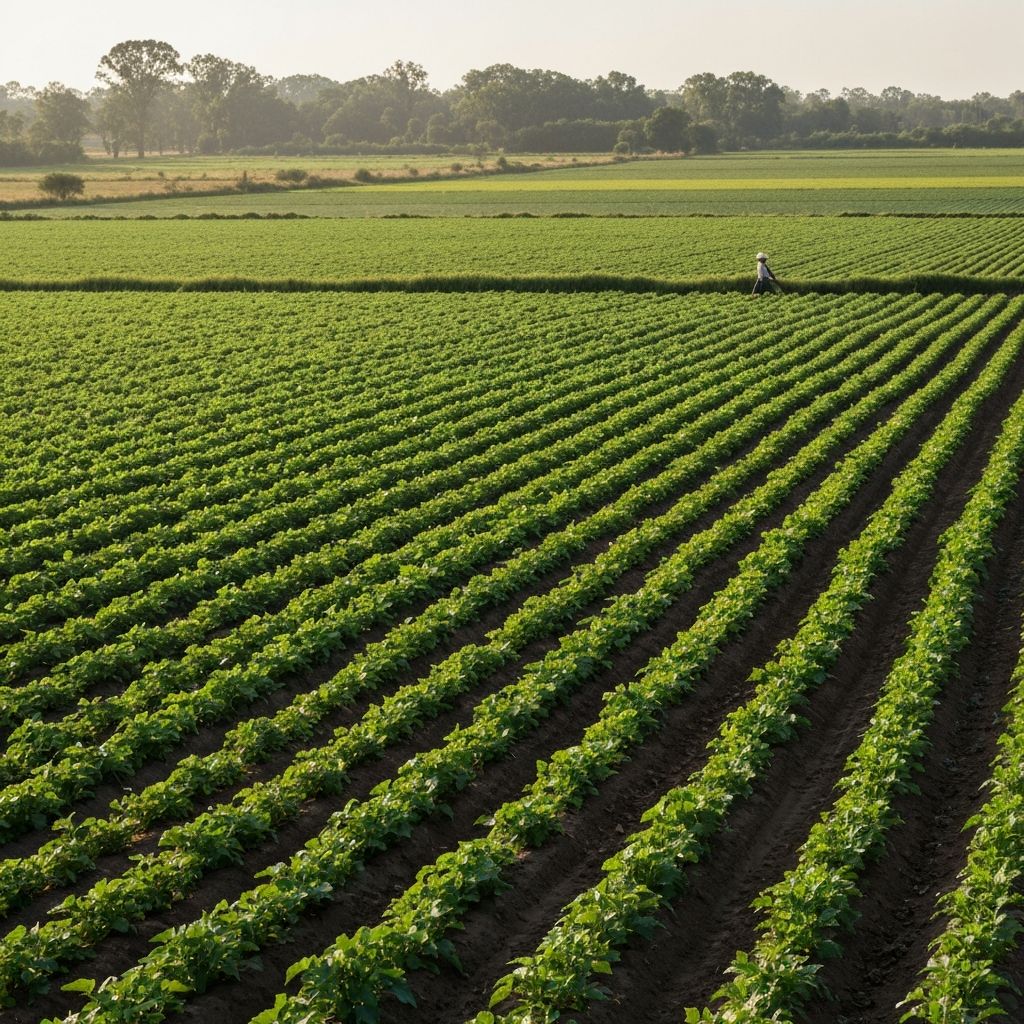
Climate-smart agriculture (CSA) represents a paradigm shift in how we approach farming in the face of climate change. By integrating traditional knowledge with modern technology, farmers can simultaneously improve productivity, build resilience, and reduce emissions.
Key Principles of Climate-Smart Agriculture:
1. Productivity Enhancement: Modern techniques increase crop yields while maintaining soil health. Through precision farming, crop rotation, and integrated pest management, farmers can produce more with fewer resources.
2. Adaptation Strategies: Climate-resilient crops, water-harvesting systems, and diversified farming methods help farmers cope with unpredictable weather patterns and changing seasons.
3. Mitigation Measures: Practices like conservation agriculture, agroforestry, and reduced tillage significantly lower carbon footprints while sequestering carbon in soil.
Real-World Implementation:
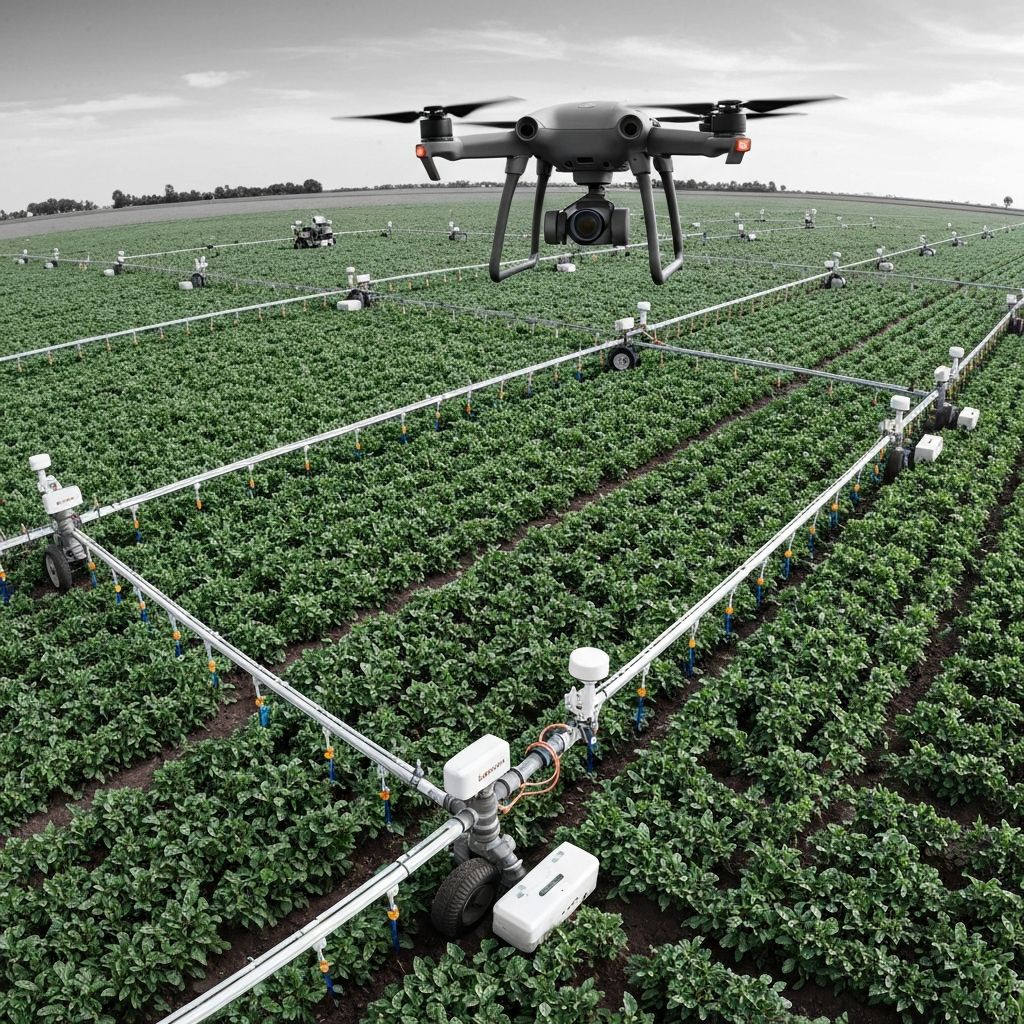
Across India, farmers are adopting climate-smart practices with remarkable results. In regions experiencing severe droughts, rainwater harvesting systems combined with drought-resistant crop varieties have increased yields by up to 40%. Similarly, the integration of IoT sensors and AI-driven farm management systems provides real-time data on soil moisture, nutrient levels, and pest patterns.
Technology Integration:
Agritech innovations play a crucial role in CSA adoption. Drones monitor crop health, predictive analytics forecast pest outbreaks, and blockchain ensures supply chain transparency. These technologies, when combined with farmer education programs, accelerate the transition to climate-smart farming.
Future Outlook:
The transition to climate-smart agriculture is not just an environmental necessity but also an economic opportunity. Farmers who adopt these practices gain competitive advantages through premium pricing for sustainable products and access to green finance schemes.
The journey toward climate-smart agriculture requires collaborative efforts between governments, technology providers, financial institutions, and farmers themselves. As we face increasingly severe climate impacts, this transformation is no longer optional—it's essential for the survival and prosperity of agriculture.
Share this article:
Comments
Leave a Comment

Reader 1
2 days agoThis is a great article! The information about climate-smart agriculture is very informative and practical. Thanks for sharing these valuable insights.
Reader 2
2 days agoThis is a great article! The information about climate-smart agriculture is very informative and practical. Thanks for sharing these valuable insights.